

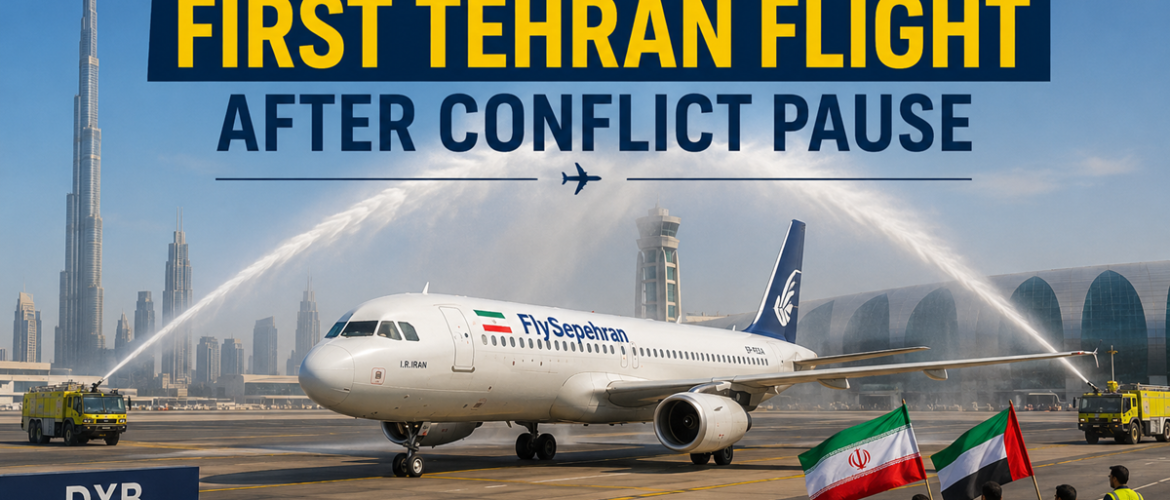
Dubai Welcomes First Tehran Flight After Conflict Pause, Signaling Revival of UAE–Iran Air Travel
The skies between the UAE and Iran are reopening as Dubai has officially welcomed the first commercial passenger flight from Tehran following months of disruptions caused by the Middle East conflict. The milestone marks an important step in restoring regional connectivity and rebuilding confidence in international aviation across the Gulf.
The arrival of the Tehran-Dubai service is expected to benefit thousands of travelers, including business executives, tourists, expatriates, and families who rely on one of the busiest regional air corridors.
First Tehran-Dubai Flight Lands Successfully
The inaugural post-conflict flight arrived at Dubai International Airport (DXB) after operations between Tehran and Dubai were suspended due to regional security concerns. The service was operated by Iranian carrier FlySepehran (Sepehran Airlines), marking the first commercial connection between the two cities since aviation restrictions were imposed during the conflict.
The successful landing demonstrates growing confidence in the stability of regional airspace as airlines cautiously restore suspended routes.
What Led to the Suspension?
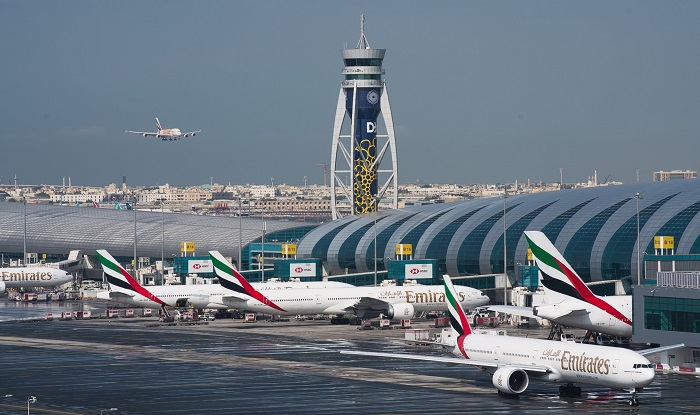
Commercial flights between Iran and the UAE were halted after heightened military tensions disrupted airspace across the Middle East. Several international airlines either suspended or rerouted flights, while airlines-airports.com/list-of-airports-in-united-arab-emirates-uae/s across the region implemented additional safety measures.
Following the implementation of a ceasefire and ongoing diplomatic efforts, aviation authorities have gradually approved the reopening of selected international routes, allowing airlines to resume scheduled passenger operations.
Why This Flight Matters
The restoration of Tehran-Dubai flights is significant because Dubai serves as one of the Middle East’s largest international aviation hubs.
The resumed service will help:
- Restore business travel between the UAE and Iran.
- Improve connectivity for transit passengers using Dubai as a global hub.
- Support tourism and family travel.
- Strengthen regional trade and economic activity.
- Encourage airlines to gradually reopen additional suspended routes.
Industry observers view the successful operation as a positive indicator for broader aviation recovery across the Gulf.
Operational details for the resumed Tehran–Dubai service
| Details | Information |
| Airline | FlySepehran (Sepehran Airlines) |
| Flight Number | IS 7352 (Tehran → Dubai) |
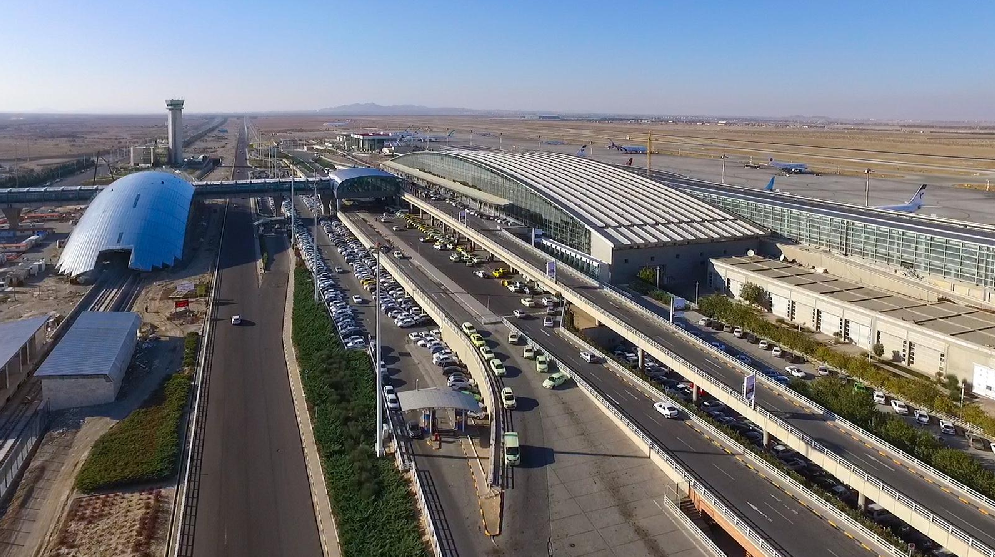
| Departure Airport | Imam Khomeini International Airport (IKA), Tehran, Iran |
| Arrival Airport | Dubai International Airport (DXB), UAE |
| Arrival Terminal | Terminal 2 |
| Arrival Time | 1:18 PM (UAE time) on June 29, 2026 |
| Return Flight | Dubai → Tehran departed later the same day. |
| Current Operating Days | Mondays and Wednesdays (FlySepehran) |
More Flights Expected
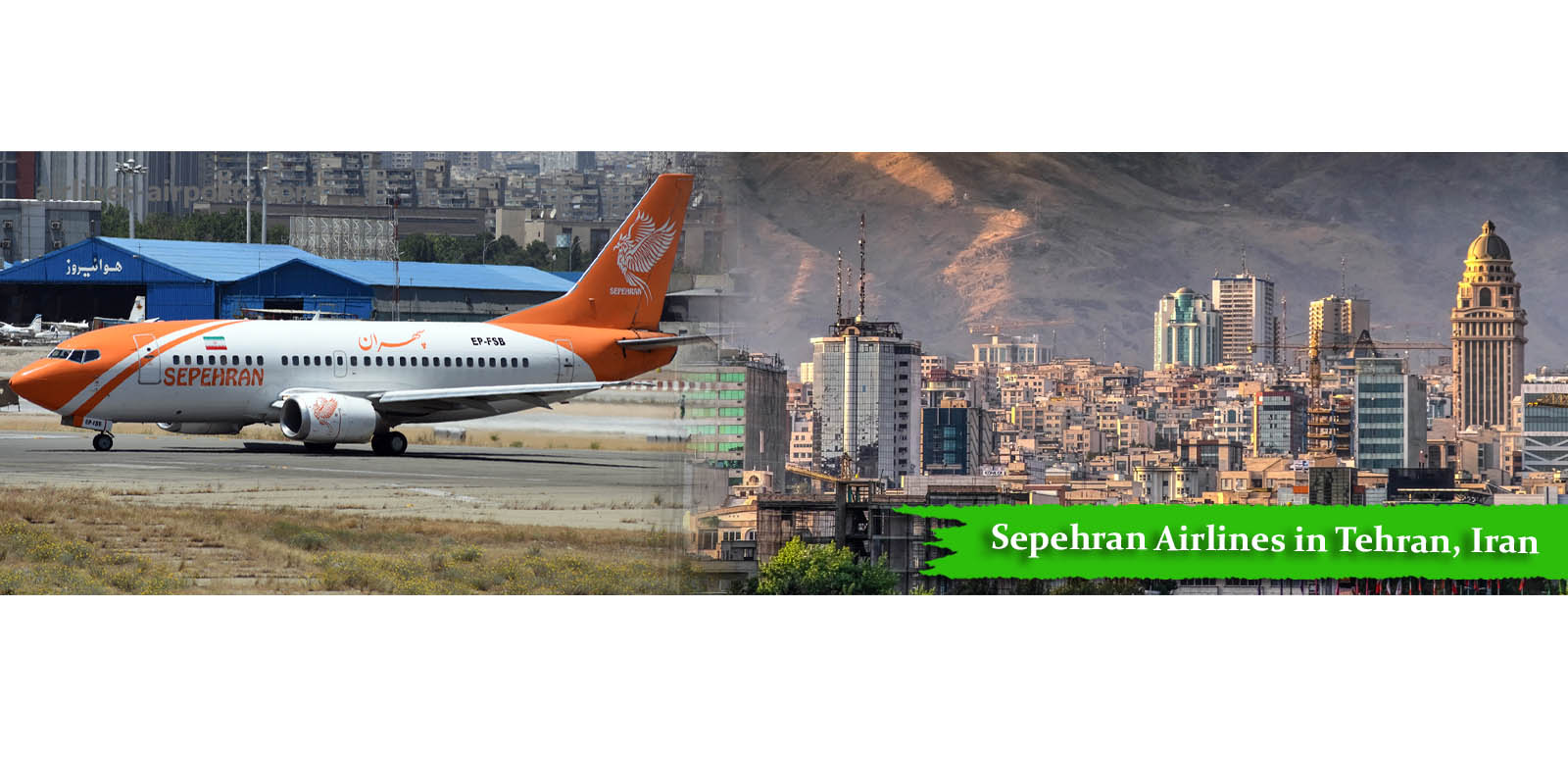
According to airline schedules, Sepehran Airlines plans to continue operating services between Tehran and Dubai, while other Iranian carriers are also expected to gradually restore flights as operational conditions improve.
Flight frequencies may initially remain limited before expanding based on passenger demand and regulatory approvals.
Other airlines expected on the route:
According to airport operator information cited by The National:
- FlySepehran – operates Mondays and Wednesdays
- Varash Airlines – operates Tuesdays (weekly service)
UAE airlines status (As of the latest update):
- flydubai – Not yet resumed Iran services.
- Air Arabia – Not yet resumed Iran services.
- Emirates – No scheduled Tehran flights announced yet.
What is EASA’s latest advisory for airlines operating in the Middle East?
Although commercial flights, including services between Tehran and Dubai, have started to resume, the European Union Aviation Safety Agency (EASA) has extended its conflict-zone advisory until July 3 and continues to urge airlines to exercise caution when operating in the region. They advises airlines to avoid the airspace over Iran, Iraq, and Lebanon, while recommending heightened caution when flying over Bahrain, Kuwait, Israel, Jordan, Qatar, Oman, the UAE, and Saudi Arabia. According to the agency, the overall risk has eased since the height of the conflict, but the security situation remains fragile.
EASA warned that short-term violations of the U.S.-Iran ceasefire, particularly around the Strait of Hormuz, as well as the fragile ceasefire between Israel and Hezbollah, could lead to renewed military activity that poses risks to civil aviation. These ongoing concerns prompted the agency to extend its Conflict Zone Information Bulletin. The regional conflict began on February 28, when the United States and Israel launched military strikes on targets in Iran, followed by Iranian retaliatory attacks targeting the UAE, Qatar, Kuwait, Saudi Arabia, and Bahrain, resulting in temporary airspace closures, flight suspensions, and widespread disruption to aviation operations.
Positive Outlook for Middle East Aviation
The return of commercial flights between Tehran and Dubai reflects improving confidence in regional aviation after months of uncertainty. As airlines continue restoring international services, passengers can expect greater connectivity, more travel options, and the gradual normalization of air travel across the Middle East.
While aviation authorities continue monitoring the regional security situation, the successful resumption of this route represents an encouraging milestone for airlines, airports, and travelers alike.